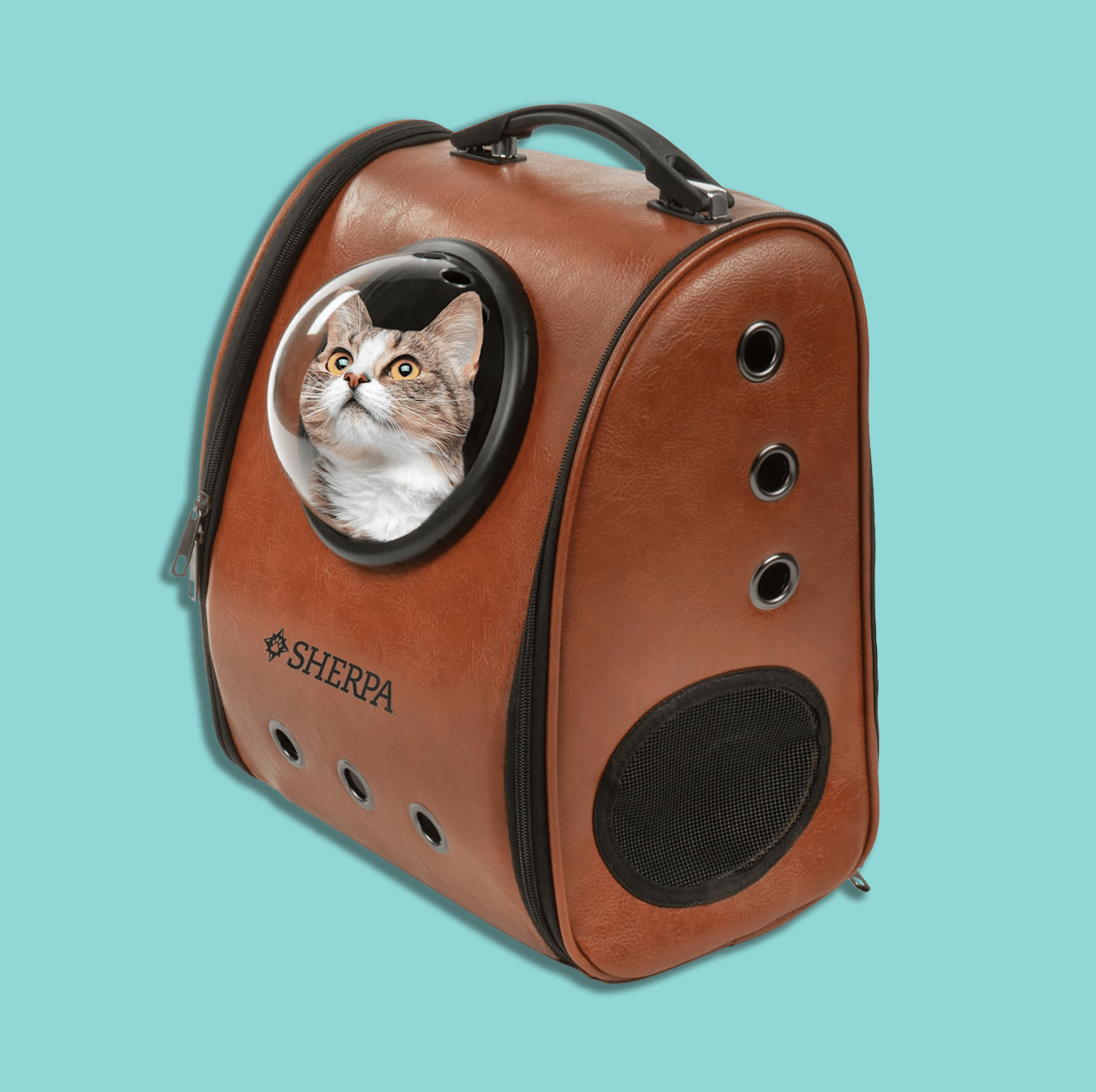
Imagine being cooped up in a cramped space, unable to move freely, and surrounded by unfamiliar sights and sounds. It doesn’t sound like a calming experience, does it? Well, the same goes for our feline friends when it comes to being inside a cat carrier. While these carriers are essential for transporting our beloved cats to the vet or on trips, it’s important to understand the potential stress it can cause our furry companions. In this article, we will explore whether cats get stressed in cat carriers and how we can make their travel experiences as comfortable as possible.

Understanding Cat Stress
What is stress in cats?
Stress in cats is a physiological and psychological response to a perceived threat or challenge. Just like humans, cats can experience stress when they face unfamiliar or challenging situations. While stress is a normal part of life, chronic stress can have a negative impact on a cat’s overall health and well-being.
Causes of stress in cats
There are several common causes of stress in cats. These include changes in environment, such as moving to a new home or the addition of a new pet or family member. Other factors that can contribute to stress include loud noises, excessive handling, veterinary visits, and even changes in the daily routine. Cats are creatures of habit, so any disruption to their familiar routine can potentially trigger stress.
Behavioral signs of stress in cats
Cats express their stress in various ways. Some common behavioral signs of stress include increased vocalization, decreased appetite, excessive grooming, aggression, hiding, and withdrawal from social interaction. It’s important to pay attention to these behaviors and look for patterns to better understand your cat’s stress triggers and find ways to alleviate stress.
The Cat Carrier
Importance of cat carriers
A cat carrier is an essential tool for transporting your feline friend safely. It provides a secure and comfortable space for your cat during car rides, visits to the veterinarian, or any other travel situation. Using a cat carrier not only helps protect your cat from potential harm but also prevents them from escaping or causing distractions while on the move.
Types of cat carriers
When it comes to cat carriers, there are various types to choose from. Hard-sided carriers are durable and offer more protection, while soft-sided carriers are lightweight and easier to carry. Additionally, there are backpack-style carriers and even carrier bags that can be worn as a crossbody or carried like a handbag. Consider your cat’s size, personality, and travel needs when selecting the type of carrier that will work best.
Features to consider in cat carriers
When selecting a cat carrier, there are a few important features to consider. Look for carriers with secure closures, such as zippers or latches, to prevent accidental escapes. Good ventilation is also crucial to ensure your cat has a constant supply of fresh air. Additionally, carriers with a removable and washable base or bedding can make cleaning up accidents or spills much easier. Lastly, carriers with top-loading access can make it less stressful for your cat to enter or exit the carrier.

Cat Carrier as a Stress Trigger
How cat carriers can induce stress
While cat carriers are designed to keep cats safe and secure, they can also be a source of stress for many felines. The confinement and unfamiliarity of the carrier can trigger anxiety and fear in cats, causing them to associate the carrier with negative experiences. This can create a negative cycle where cats develop a strong aversion to the carrier, making future trips even more stressful for both the cat and the owner.
Factors that contribute to stress in cat carriers
Several factors can contribute to stress in cat carriers. The size of the carrier, the noise and motion of the transport, and the overall environment during travel can all impact your cat’s stress levels. Additionally, the behavior and handling of the owner, as well as the cat’s previous experiences with carriers, can contribute to stress. It’s essential to address these factors and create a positive association with the carrier to minimize stress.
The impact of previous experiences with cat carriers
Previous experiences with cat carriers play a significant role in how a cat perceives and reacts to them. If a cat has had negative experiences in the past, such as being forced into the carrier, experiencing a noisy or rough ride, or feeling trapped and stressed, they are more likely to develop a negative association with carriers. Understanding and addressing these past experiences is essential to reduce stress and create a more positive travel experience for your cat.
Recognizing Stress in Cats
Physical signs of stress in cats
Cats can display various physical signs when they are stressed. These signs may include dilated pupils, increased heart rate, rapid breathing, excessive shedding, changes in appetite, digestive issues, and even increased urination or defecation. It’s important to monitor your cat’s physical well-being and consult a veterinarian if you notice any concerning symptoms.
Behavioral signs of stress in cats
In addition to physical signs, cats also exhibit behavioral changes when experiencing stress. These signs may include excessive grooming or licking, restlessness, hiding, avoiding social interaction, aggression, and vocalization. It’s crucial to pay attention to these behaviors and consider them as potential indicators of stress in your cat.
Understanding your cat’s specific stress signals
Each cat is unique and may display different stress signals. It’s essential to observe and understand your cat’s specific behavior and body language when they are stressed. This may include subtle cues like ear position, tail flicking, or even changes in vocalizations. By understanding your cat’s individual stress signals, you can better tailor stress reduction strategies and provide a more comfortable travel experience.

Tips for Reducing Stress in Cat Carriers
Gradual familiarization with the carrier
To help your cat feel more comfortable in the carrier, it’s important to gradually introduce and familiarize them with it. Start by leaving the carrier in a familiar and accessible area of the house, allowing your cat to investigate and explore it at their own pace. Place treats, toys, or bedding inside to create positive associations.
Creating a positive association with the carrier
Associating the carrier with positive experiences can help alleviate stress. Use treats, toys, and positive reinforcement techniques to create a positive association with the carrier. Reward your cat for comfortable interactions with the carrier and consider feeding them their meals inside the carrier to reinforce positive feelings.
Using pheromone sprays or calming aids
Pheromone sprays or diffusers, such as Feliway, can help create a calming environment for your cat. These synthetic pheromones mimic the natural scent that cats produce when they feel safe and secure. Additionally, there are calming aids available, such as natural supplements or herbal remedies, that can help reduce anxiety and promote relaxation during travel.
Covering the carrier during transport
Covering the carrier with a lightweight blanket or towel during transport can help create a cozy and secure environment for your cat. This can reduce visual stimulation and create a sense of privacy, helping to minimize stress during the journey.
Minimizing travel duration
Whenever possible, try to minimize the duration of travel. Longer trips can be more stressful for cats, so plan accordingly and make stops for bathroom breaks, stretching, and hydration. By reducing the overall travel time, you can help keep your cat more comfortable and reduce their stress levels.
Preparing Cats for Carrier Travel
Acclimating cats to carrier training
Carrier training involves gradually acclimating your cat to being inside the carrier and associating it with positive experiences. Start by allowing your cat to explore the carrier at their own pace and reward them with treats or praise for comfortable interactions. Slowly increase the duration of time spent inside the carrier until your cat is comfortable being in it for more extended periods.
Desensitizing cats to carrier experiences
Desensitization involves exposing your cat to the various aspects of carrier travel in a controlled and positive manner. This can include practicing short car rides, gentle movements, and even simulated veterinary exams at home. By gradually exposing your cat to these experiences, you can help reduce their fear and anxiety associated with the carrier.
Introducing short car rides
To familiarize your cat with the experience of car rides, start with short trips around the neighborhood. Ensure that your cat is securely restrained in the carrier and provide them with comfort and reassurance during the ride. Gradually increase the duration of the car rides as your cat becomes more comfortable and relaxed.
Reward-based training for carrier use
Using reward-based training techniques can help your cat associate the carrier with positive experiences. Reward your cat with treats, praise, or playtime when they willingly enter the carrier or remain calm during car rides. This positive reinforcement will help your cat feel more comfortable and associate the carrier with positive feelings.
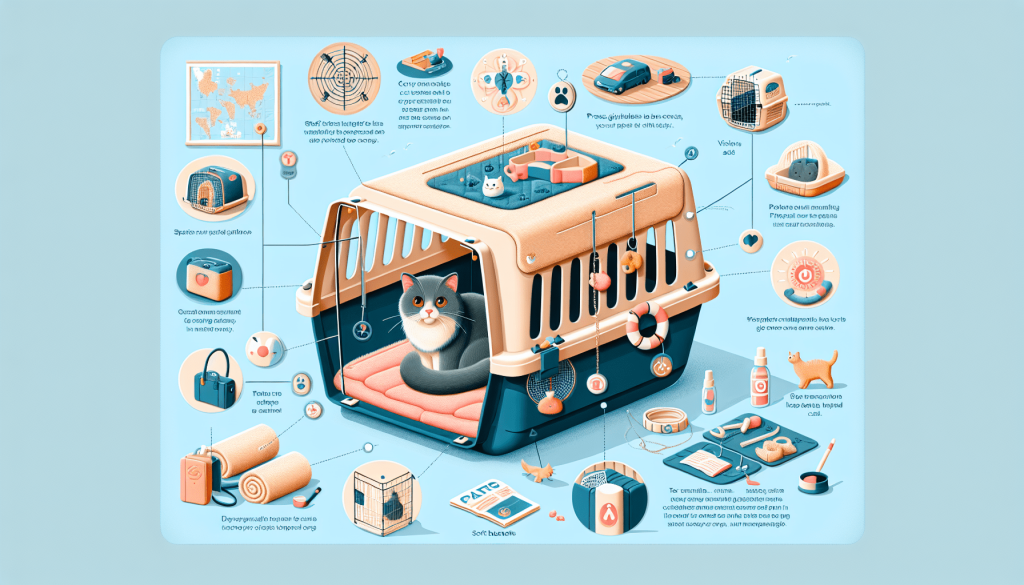
Alternative Transportation Options
Harness and leash training
For cats who are comfortable wearing harnesses, leash training can be an excellent alternative to carrier travel. Gradually introduce your cat to wearing a harness, and ensure they are comfortable and secure in it before attempting outdoor walks. This option allows your cat to have more freedom of movement while still ensuring their safety during travel.
Strollers for outdoor excursions
Strollers designed specifically for cats provide a safe and secure way to take your feline companion on outdoor excursions. These strollers typically have mesh enclosures to keep your cat contained while still allowing them to enjoy the sights and sounds of the outdoors. This option is especially suitable for cats who may not be comfortable wearing harnesses or during longer outings.
In-home veterinary visits
For some cats, the stress of traveling to a veterinary clinic can be overwhelming. In-home veterinary visits provide a less stressful alternative, allowing your cat to remain in a familiar environment while receiving necessary medical care. Check with your veterinarian to see if they offer this service or if they can recommend a mobile veterinarian in your area.
Professional pet transportation services
There are professional pet transportation services available that specialize in transporting pets, including cats, over long distances. These services handle all the logistics of travel, ensuring your cat’s comfort and safety. If you need to transport your cat over a considerable distance or have specific travel requirements, consider hiring a professional service to minimize stress and ensure a smooth journey.
Seeking Professional Guidance
Consulting a veterinarian or animal behaviorist
If your cat experiences significant stress and anxiety related to carrier travel, it may be beneficial to consult with a veterinarian or an animal behaviorist. They can assess your cat’s specific needs, evaluate any underlying medical conditions, and provide tailored advice and guidance for reducing stress.
Understanding specific stressors in your cat’s case
Every cat is unique, and understanding the specific stressors in your cat’s case is vital for implementing effective stress reduction strategies. A professional can help you identify and address triggers specific to your cat, such as fear of loud noises or aggressive behavior from other animals, to create a more peaceful travel experience.
Developing a tailored stress reduction plan
With the guidance of a professional, you can develop a personalized stress reduction plan for your cat. This may include behavior modification techniques, medication options, or specific training exercises aimed at reducing your cat’s stress levels and ensuring a more pleasant travel experience.
Considering Individual Cat Personalities
Different responses to carrier travel
It’s important to consider that different cats will have varying responses to carrier travel. Some cats may adapt quickly and experience minimal stress, while others may require more time and support to overcome their fears. Be patient and understanding of your cat’s individual needs, and tailor your approach accordingly.
Adapting strategies based on cat personality
Just like humans, cats have unique personalities, and what works for one may not work for another. Adapt your stress reduction strategies based on your cat’s personality. For example, a more shy and introverted cat may benefit from slower and gradual exposure to the carrier, while a confident and outgoing cat may respond well to positive reinforcement and rewards.
Conclusion
Importance of addressing cat stress in carriers
Understanding and addressing cat stress in carriers is crucial for ensuring the well-being and safety of our feline companions. By acknowledging and taking proactive measures to reduce stress, we can create a travel experience that is more comfortable and enjoyable for both cats and their owners.
Taking proactive measures for a stress-free travel experience
Taking proactive measures, such as gradually familiarizing cats with carriers, creating positive associations, and considering alternative transportation options, can significantly reduce stress during travel. By investing time and effort into understanding our cats’ specific needs and providing a stress-free travel experience, we can help them feel safer and more secure, leading to happier and healthier journeys together.