Imagine you have a curious feline friend who loves to explore. But what happens when you need to transport your furry companion? How long is it safe to keep a cat in a cat carrier? While the answer may vary depending on the circumstances, it is important to consider a few key factors to ensure your cat’s safety and comfort during their time in the carrier. From understanding their needs for food, water, and bathroom breaks to creating a calm and inviting environment, this article will provide you with valuable insights on how to keep your beloved cat content and secure during their journey in a cat carrier.
Understanding the Need for a Cat Carrier
Importance of a cat carrier
Owning a cat carrier is an essential part of being a responsible cat owner. Cat carriers provide a safe and secure environment for your feline friend during various situations like visits to the veterinarian, short trips, or even temporary confinement. Ensuring your cat’s safety and comfort should be a top priority, and having a cat carrier allows you to do just that.
Types of cat carriers
When it comes to cat carriers, there are several options available in the market. The most common types include soft-sided carriers, hard-sided carriers, and backpack carriers. Soft-sided carriers are lightweight and easy to carry, while hard-sided carriers provide more protection for your cat. Backpack carriers, on the other hand, offer a hands-free way of transporting your cat. Choosing the right type of carrier depends on your cat’s needs, your intended use, and personal preference.
Choosing the right cat carrier
When selecting a cat carrier, it is important to consider various factors. Firstly, the carrier should be adequately sized to accommodate your cat comfortably. Your cat should be able to stand, turn around, and lie down without any difficulty. Additionally, the carrier should have proper ventilation and offer enough security to prevent your cat from escaping. It is also important to choose a carrier that is easy to clean and maintain. Taking all these factors into account will help you choose the right cat carrier for your furry friend.
Factors Affecting Safe Duration in a Cat Carrier
Physical comfort of the cat
The physical comfort of your cat plays a significant role in determining how long they can safely stay in a cat carrier. Cats are naturally active and curious animals, so providing a carrier that offers enough space and allows them to move around comfortably is crucial. Additionally, the carrier should have a soft and cozy interior to provide some level of comfort to your cat during their confinement period.
Environmental factors
The environment within the cat carrier also influences the safe duration for your cat. Adequate ventilation is essential to ensure a constant supply of fresh air. The carrier should have enough openings or mesh windows to allow proper air circulation. Additionally, maintaining a comfortable temperature is crucial. Extreme temperatures can cause discomfort or even harm to your cat, so it is necessary to keep the carrier in a suitable climate and avoid exposing it to direct sunlight or drafts.
Cat’s temperament and stress levels
Every cat has a unique temperament and different stress levels. Some cats may become anxious or stressed when confined for extended periods, while others may tolerate it better. It is essential to consider your cat’s individual personality and behavior when determining how long they can stay in a carrier safely. It is recommended to observe your cat’s reaction during short periods of confinement and gradually increase the duration to gauge their comfort level.
General Guidelines for Keeping a Cat in a Carrier
Short-term use
For short-term use, such as visits to the veterinarian or grooming sessions, it is generally safe to keep your cat in a carrier for a few hours. However, it is crucial to minimize the duration of confinement as much as possible. Once you arrive at your destination, try to get your cat out of the carrier as soon as it is safe and provide them with a comfortable and familiar environment.
Temporary confinement
There may be situations where temporary confinement in a cat carrier is necessary, such as moving to a new home or introducing a new pet. In these cases, it is important to create a comfortable and stress-free environment within the carrier. Provide your cat with their favorite bedding, toys, and familiar scents to help them feel more at ease. Regular breaks for exercise, playtime, and access to a litter box should also be given to ensure their well-being.
Traveling with a cat
Traveling with a cat can be a stressful experience for both you and your pet. It is important to plan ahead and make necessary arrangements to ensure your cat’s safety and comfort. Keep the duration of travel as short as possible, especially when it comes to car or air travel. Providing a comfortable carrier setup, familiar scents, and taking regular breaks for exercise and bathroom breaks can help reduce stress and make the journey more pleasant for your cat.
Short-Term Use of a Cat Carrier
Visits to the veterinarian
When taking your cat for a visit to the veterinarian, using a cat carrier is essential for their safety. The carrier provides a secure and controlled environment, eliminating the risk of your cat escaping or getting injured. Veterinary visits are usually brief, lasting for a few hours at most. However, it is important to minimize the time spent in the carrier as much as possible. Once you arrive at the veterinarian’s office, consult with the veterinary staff about the estimated waiting time, and try to let your cat out of the carrier in a safe and designated area if allowed.
Grooming sessions
Grooming sessions, such as baths or nail trims, can be stressful for cats. Using a cat carrier for these sessions ensures that your cat, groomer, and you are safe from harm. Grooming sessions are relatively short and should be completed within an hour or less. After the grooming session is complete, it is essential to provide your cat with a calm and comforting environment to help them recuperate from any stress they may have experienced.
Household activities
There may be instances when you need to keep your cat safely confined during household activities. For example, if you are hosting a party or rearranging furniture, it is important to prevent your cat from getting in the way or potentially escaping. Using a cat carrier for temporary confinement in these situations can help ensure their safety while allowing you to concentrate on the task at hand. However, it is crucial to provide your cat with enough mental stimulation and ensure they have access to food, water, and a litter box during their confinement.

Temporary Confinement in a Cat Carrier
Moving to a new home
Moving to a new home can be a stressful experience for cats. To ensure their safety and reduce the likelihood of escape, it is recommended to keep your cat in a carrier during the moving process. The moving day can be chaotic, with people coming in and out of the house, potentially leaving doors open. By keeping your cat confined in a carrier, you can prevent them from getting lost or injured during the moving process. However, it is important to provide your cat with breaks, access to food and water, and a cozy space within the carrier during the move.
Introduction to a new pet
When introducing a new pet into your household, temporarily confining your cat in a carrier can facilitate a controlled and safe interaction between them. This allows both animals to become acquainted with each other’s scents and presence without any direct physical contact. It is important to closely monitor their behavior and ensure that both pets remain calm during the initial introduction period. Gradually increasing the duration of confinement and supervised interactions can help promote a positive relationship between your cat and the new pet.
Post-surgery recovery
After undergoing surgery, your cat may require temporary confinement for their recovery. Keeping your cat in a carrier allows you to closely monitor their healing process and prevent them from engaging in any strenuous activity that could hinder their recovery. Ensure the carrier is comfortable and provides easy access to food, water, and a litter box during the recovery period. Consult with your veterinarian about the recommended duration of confinement and any specific care instructions for your recovering cat.
Traveling with a Cat
Car travel
When it comes to traveling by car with your cat, safety should be a top priority. It is essential to have a secure and comfortable cat carrier for the journey. Carriers designed specifically for car travel often have additional safety features such as seatbelt attachments or the ability to be strapped in with a seatbelt. When placing the carrier in your car, ensure it is stable and secure to prevent it from shifting during the journey. It is also recommended to cover the carrier with a blanket or towel to create a calming environment for your cat.
Air travel
Air travel with a cat usually involves more preparations and restrictions compared to car travel. Most airlines have specific guidelines and requirements for traveling with pets, including the type of carrier allowed and any necessary documentation. It is essential to familiarize yourself with the airline’s policies and regulations well in advance of your travel date. The cat carrier for air travel should provide ample ventilation, be sturdy, and meet the size requirements specified by the airline. It is advisable to book a direct flight whenever possible to minimize the duration of confinement for your cat.
Train or bus travel
If you plan to travel by train or bus with your cat, it is important to check the specific policies and regulations of the transportation company. Some companies may require a certain type of carrier, while others may have restrictions on pet travel altogether. In any case, it is crucial to ensure your cat’s carrier is secure and comfortable for the duration of the journey. If the travel time is more extended, it is recommended to provide regular breaks for exercise, bathroom breaks, and opportunities for your cat to stretch their legs.

Recognizing Signs of Discomfort or Stress in a Cat
Vocalization and meowing
Cats typically use meowing as a way to communicate, but excessive or persistent vocalization can indicate discomfort or stress. If your cat is meowing excessively while in the carrier, it is a sign that they are unhappy or feeling anxious. It is important to pay attention to your cat’s vocalizations and address any potential concerns promptly.
Pacing or restlessness
Restlessness or pacing within the carrier is another indication that your cat may be experiencing discomfort or stress. Cats are naturally curious, and being confined for extended periods can cause them to become restless. If you notice excessive pacing or signs of agitation, it is a good idea to provide your cat with a break or evaluate the conditions within the carrier to ensure their comfort.
Panting or rapid breathing
Panting or rapid breathing in cats is not normal and can be a sign of distress. If you observe your cat panting or breathing rapidly while in the carrier, it is crucial to address the situation immediately. Increased body temperature, anxiety, or other underlying health issues may be the cause, and seeking veterinary assistance is recommended.
Preventing Stress and Promoting Cat Comfort
Comfortable carrier setup
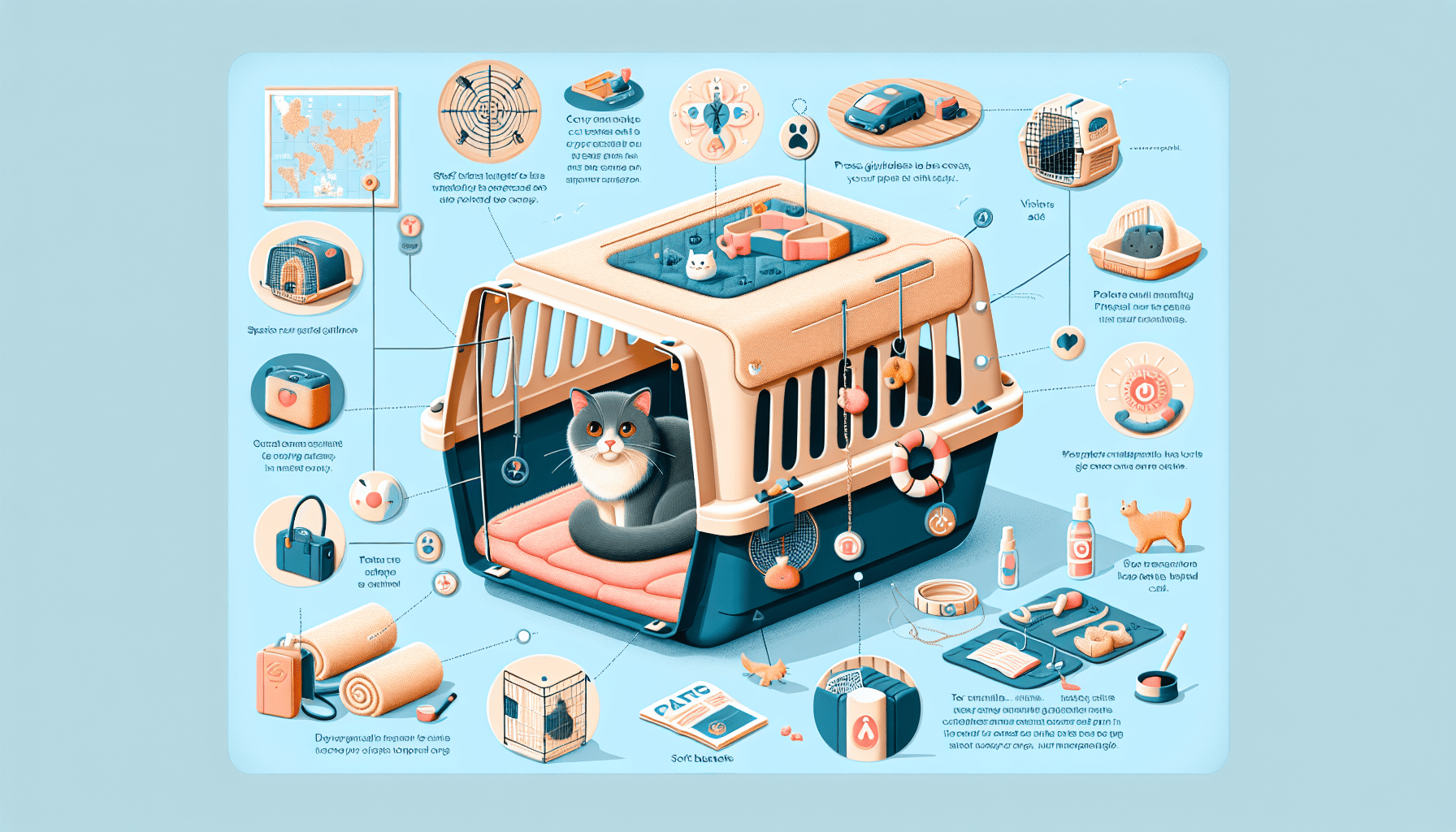
Setting up the cat carrier with comfort in mind can help alleviate stress and promote your cat’s well-being. Place a soft blanket or bedding at the bottom of the carrier to provide a cozy space for your cat to relax. Including a familiar item, such as a favorite toy or a piece of clothing with your scent, can also help your cat feel more at ease. Additionally, ensuring the carrier is clean, odor-free, and properly ventilated will contribute to their comfort.
Familiar scents and belongings
Familiar scents play a vital role in reducing stress for cats. Adding items with familiar scents, such as bedding or toys, to the carrier can provide a sense of security and comfort for your cat. The familiar scents will help create a soothing environment and minimize anxiety during their confinement.
Regular breaks for exercise and bathroom
Extended periods of confinement can be physically and mentally challenging for cats. To prevent stress and promote their comfort, it is important to provide regular breaks for exercise and bathroom breaks. When traveling or temporarily confining your cat, make sure to allow them some time outside the carrier to stretch their legs, explore their surroundings, and use the litter box if needed.
Alternative Options to Cat Carriers
Using a harness and leash
For cats that are comfortable with wearing a harness, using a harness and leash can be a suitable alternative to a cat carrier. This option allows your cat more freedom to move around while still providing you with control and security during outings. It is essential to properly train your cat to walk on a leash and ensure the harness fits comfortably and securely.
Strollers or pet carriers
If you prefer a hands-free option, strollers or pet carriers with wheels can be a convenient alternative to a traditional cat carrier. These carriers provide a comfortable and secure space for your cat while allowing you to move around easily. Strollers or pet carriers are particularly useful for longer outings or trips where you may need to transport your cat for an extended duration.
Crate training
Crate training can be a helpful alternative to cat carriers, especially if your cat needs to be confined for longer periods. Crate training involves acclimating your cat to a larger crate or cage where they have enough space to move around comfortably. This method allows your cat to have more freedom while still providing a secure and controlled environment. It is important to ensure the crate is properly set up with food, water, bedding, and a litter box to meet your cat’s needs.
Consulting a Veterinarian for Extended Carrier Use
Specific medical conditions
In certain cases, cats may require extended periods of confinement in a cat carrier due to specific medical conditions or post-surgical care. It is crucial to follow your veterinarian’s guidance and recommendations regarding the duration and management of confinement to ensure your cat’s optimal recovery.
Professional advice for longer durations
If you find yourself needing to keep your cat in a carrier for an extended period of time, it is advisable to consult with a veterinarian for professional advice. Veterinarians can provide specific guidance tailored to your cat’s needs and help ensure their well-being during prolonged confinement. They may suggest additional measures to prevent stress and discomfort, such as using pheromone sprays or providing specific enrichment activities.
Managing anxiety and stress
Extended confinement in a cat carrier can potentially increase anxiety and stress levels in cats. If you anticipate requiring longer durations of confinement, it is important to implement strategies to help manage and mitigate stress. This may include providing additional environmental enrichment, introducing calming aids, or considering behavioral modifications to help alleviate anxiety.
In conclusion, understanding the need for a cat carrier is essential for every cat owner. It enables safe transportation, temporary confinement, and stress-free travel experiences for your feline companion. By considering factors such as physical comfort, environmental conditions, and your cat’s temperament, you can ensure the well-being and happiness of your furry friend. Remember that recognizing signs of discomfort or stress, providing comfort and familiar scents, and considering alternative options when necessary are all keys to creating a secure and comfortable environment for your beloved cat. If you have any concerns or specific requirements, do not hesitate to consult with a veterinarian for professional advice and guidance.