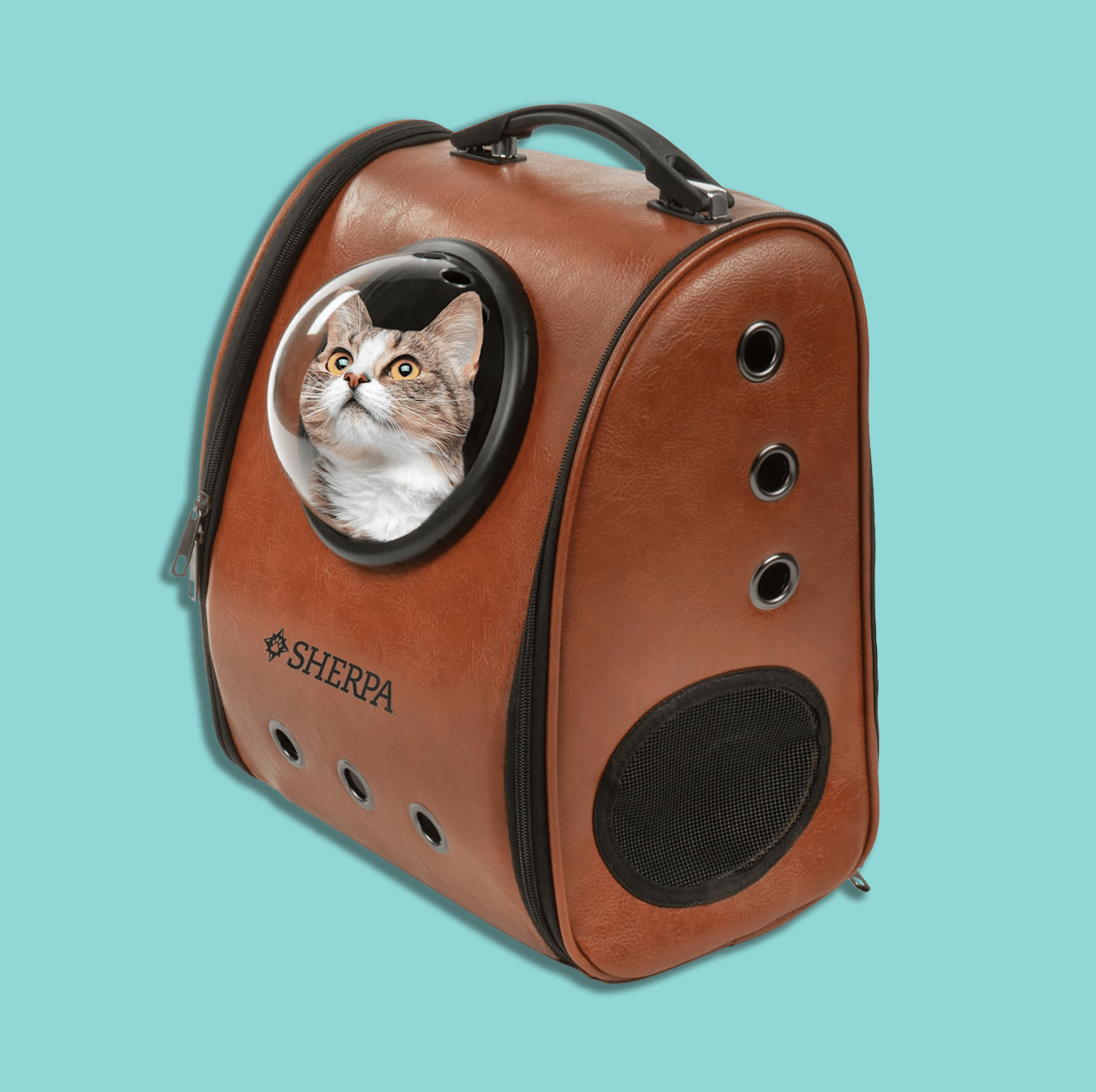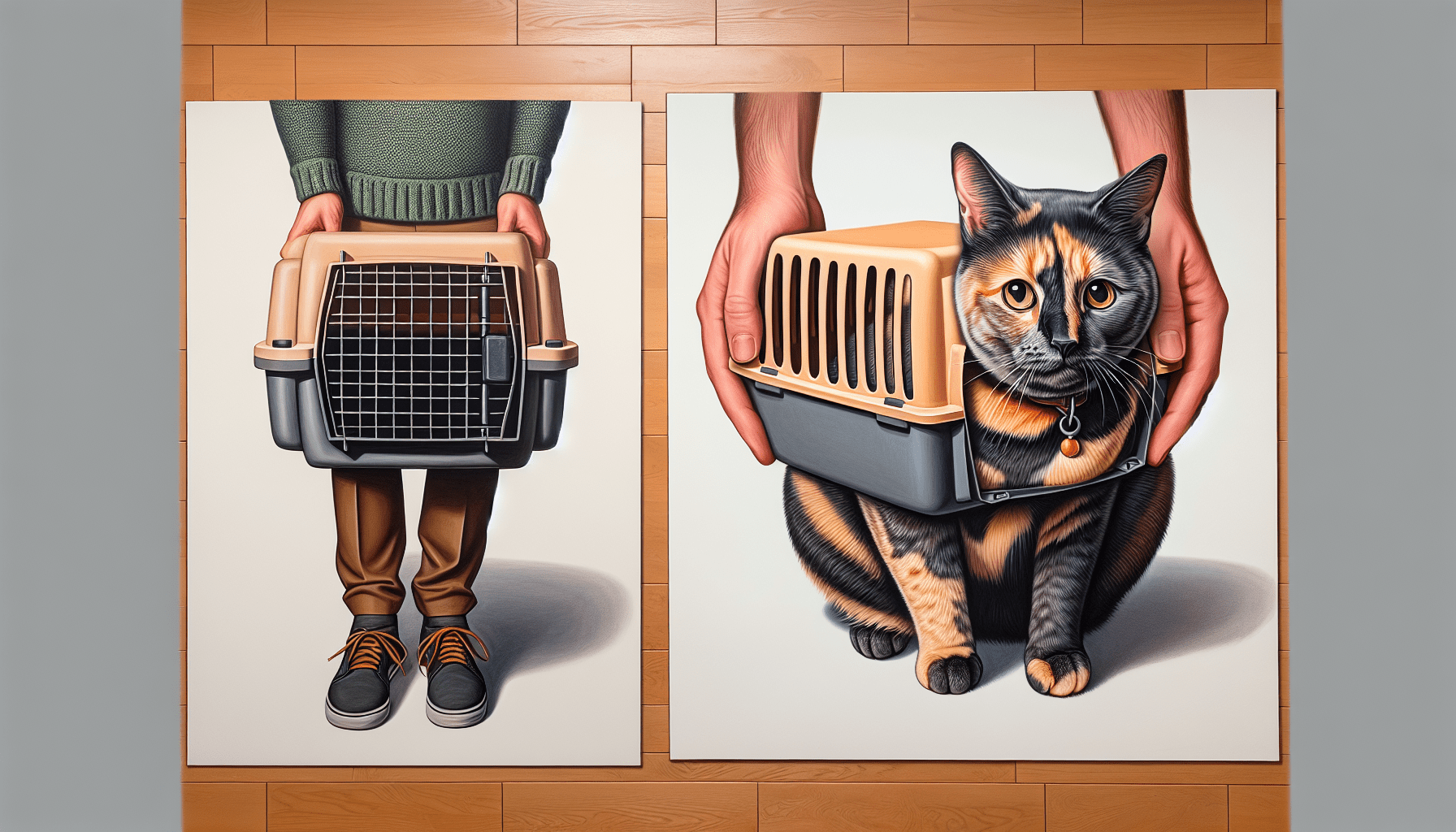
If you’ve ever wondered how to determine if your cat carrier is too small, you’re in the right place. Ensuring that your furry friend is comfortable and secure during travel is essential, and the size of the carrier plays a key role in this. Although cats can’t come right out and tell you if they feel cramped, there are some clear signs to look out for. From their behavior to physical discomfort, we’ll explore all the indicators that will help you determine if it’s time to upgrade your cat’s carrier for a more spacious one.
Size Restrictions
Measurements
When it comes to choosing a cat carrier, size is one of the most important factors to consider. If the carrier is too small, your cat will feel uncomfortable and may experience distress during travel. One way to determine if your cat carrier is too small is by taking measurements. Measure the length and height of your cat to ensure there is enough space for them to sit, stand, lie down, and turn around comfortably inside the carrier.
Weight Restrictions
In addition to measurements, it’s essential to consider weight restrictions when choosing a cat carrier. A carrier that is too small may not be able to support your cat’s weight adequately, leading to potential accidents or injuries. Always check the weight limits specified by the carrier’s manufacturer and make sure it can safely accommodate your cat’s size.
Physical Signs of Discomfort
Cramped Position
One of the telltale signs that your cat carrier may be too small is if your cat is forced into a cramped position when inside it. If their body is bent or curled up in an unnatural way, it indicates that there isn’t enough space for them to move around comfortably. This cramped position can lead to physical discomfort and may cause your cat to become anxious or stressed.
Inability to Turn Around
Another physical sign of discomfort is when your cat is unable to turn around freely inside the carrier. Cats like to have control over their movements and feel more secure when they can turn their bodies. If your cat is confined and unable to change their position or turn around comfortably, it’s a clear indication that the carrier is too small for them.
Behavioral Signs of Discomfort
Agitation
Cats express their discomfort through their behavior, and agitation is one of the common signs to look for. If your cat appears restless, constantly pacing, or trying to escape from the carrier, it may be a clear indication that they feel cramped or uncomfortable inside. Agitation can escalate into stress or anxiety, making the travel experience more challenging for your furry friend.
Excessive Vocalization
Excessive vocalization, such as meowing or hissing, can also be a behavioral sign of discomfort caused by a small carrier. Cats may become vocal when they’re stressed or in pain. If your cat is meowing excessively or showing signs of distress, it’s essential to evaluate the size of the carrier to ensure it’s not contributing to their discomfort.
Difficulty Ventilating
Lack of Airflow
Proper ventilation is crucial to ensure your cat’s comfort and safety during travel. If your cat carrier is too small, there may be limited airflow, resulting in inadequate ventilation for your cat. Cats rely on fresh air to regulate their body temperature and feel comfortable. If the carrier lacks sufficient airflow or ventilation, your cat may become overheated or feel suffocated, causing distress during the journey.
Visible Anxiety
The inability to ventilate properly can lead to visible signs of anxiety in your cat. If you notice your cat panting heavily, excessively salivating, or displaying other signs of anxiety, it’s crucial to evaluate their carrier size. These visible signs of anxiety can be an indicator that your cat is struggling to breathe comfortably due to the small carrier restricting their airflow.
Improper Fit
Excessive Movement
If your cat carrier is too large or not properly secured, your cat may experience excessive movement while inside. If the carrier is too big, your cat can be jostled around during transit, leading to discomfort and increased stress levels. It’s important to choose a carrier that fits snugly to prevent excessive movement that can cause your cat to feel unsafe and uncomfortable during travel.
Slipping Out
In addition to excessive movement, a carrier that is too big can also pose the risk of your cat slipping out of it. Cats are known for their agility and curiosity, and a carrier that is too large may provide an opportunity for them to escape. Ensure that the carrier you choose fits properly, with secure closures and no gaps that would allow your cat to slip out or get injured.
Preventing Injury
Ligament Damage
A carrier that is too small may not provide enough space for your cat to stretch or move comfortably. This can lead to ligament damage, especially if your cat is forced to stay in a cramped position for an extended period. Ligament injuries can be painful and may require veterinary attention, so it’s important to choose a carrier that allows your cat to move and stretch their limbs freely.
Muscle Fatigue
Just like humans, cats can experience muscle fatigue when confined in a small space for an extended period. If your cat is unable to move, stretch, or adjust their body position properly, their muscles can become fatigued and strained. Prolonged muscle fatigue can lead to discomfort and other health issues, so ensuring a properly sized carrier is essential to prevent this.
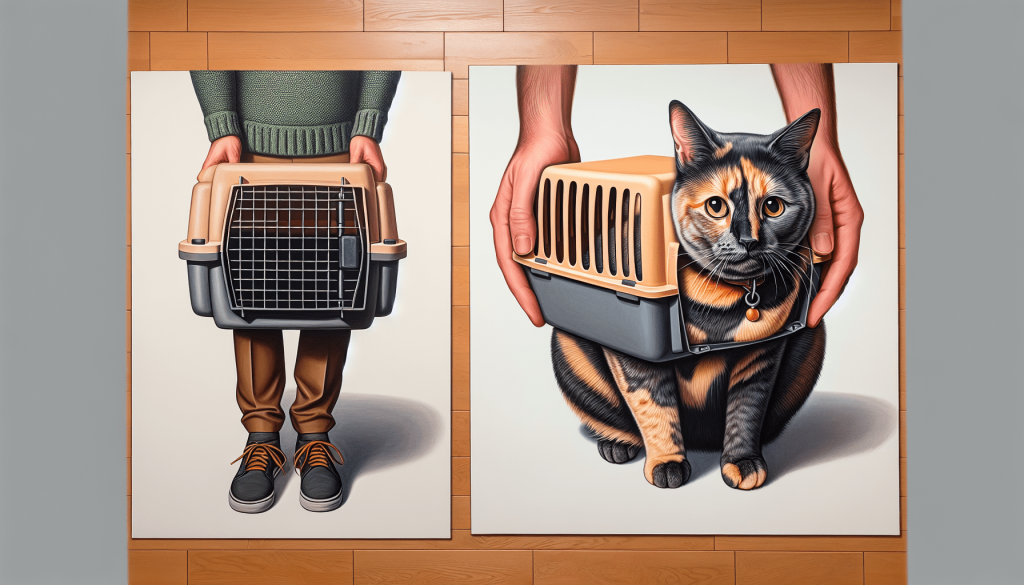
Choosing the Right Size Carrier
Consider Your Cat’s Size
When choosing a carrier for your cat, it’s essential to consider their size and stature. The carrier should be large enough to accommodate your cat comfortably, allowing them to sit, stand, lie down, and turn around without feeling restricted. Consider your cat’s length, height, and weight to ensure you choose a carrier that suits their specific needs.
Check Product Dimensions
Always check the product dimensions provided by the manufacturer when selecting a cat carrier. Compare these dimensions to your cat’s measurements to ensure the carrier will provide adequate space and comfort. Don’t solely rely on visual judgments, as appearances can be deceiving. Take into account the length, width, and height of the carrier to make an informed decision.
Importance of Comfort
Quality of Sleep
Comfort is crucial for your cat, especially during long journeys or extended periods in the carrier. A properly sized carrier allows your cat to find a comfortable position and even take a nap during travel. A cramped carrier can prevent your cat from getting quality sleep while in transit, leading to additional stress or exhaustion upon arrival.
Ease of Movement
Cats are naturally curious and like to explore their surroundings. A carrier that provides ample space allows your cat to move around comfortably, promoting their natural behavior and reducing their anxiety levels. Easy movement within the carrier can help your cat feel more at ease and make the travel experience less stressful for both of you.
Psychological Well-being
Preventing Stress
Traveling can be stressful for cats, but a carrier that is too small can exacerbate their anxiety. Providing a well-sized carrier can help alleviate some of the stress associated with travel. Creating a positive association with the carrier by using treats, toys, or familiar bedding can also help ease your cat’s anxiety and make them feel more comfortable during the journey.
Affecting Behavior
A small carrier can have long-lasting effects on your cat’s behavior. If they consistently experience discomfort or stress during travel due to a cramped carrier, they may develop negative associations with any future travel or even exhibit behavioral issues. By ensuring a properly sized carrier, you can help prevent these negative effects on your cat’s psychological well-being.
Potential Health Issues
Respiratory Problems
A carrier that restricts airflow or has poor ventilation can lead to respiratory problems for your cat. If they are unable to breathe properly due to a small carrier size, it can cause labored breathing, coughing, or other respiratory distress. Respiratory issues can be significant health concerns for cats, so it’s crucial to choose a carrier that promotes proper airflow and ventilation.
Injuries
A carrier that is too small can contribute to injuries, such as bruised paws or scraped noses, as your cat may try to escape or become tangled in a confined space. Additionally, excessive movement or slipping in a carrier that is too big can also lead to injuries. Choosing the right size carrier helps minimize the risk of injuries during travel and ensures your cat’s safety.
In conclusion, choosing the right size cat carrier is essential for your cat’s comfort, safety, and overall well-being during travel. By considering the measurements and weight restrictions, as well as observing physical and behavioral signs of discomfort, you can ensure that your cat’s carrier provides a secure and comfortable space. Remember, a comfortable and properly sized carrier not only prevents physical injuries but also promotes good psychological health and reduces stress during travel. Prioritize your cat’s comfort and safety by investing in the right size carrier for your furry friend.