When it comes to traveling with your feline friend, one question often arises: do cats prefer hard or soft cat carriers? It’s a dilemma that pet owners have pondered for years, and the answer may not be as straightforward as you think. While some cats may find solace in the comfort of a soft carrier, others might feel more secure within the confines of a sturdy, hard carrier. Join us as we explore the preferences of our feline companions and uncover the reasons behind their choice, ultimately guiding you towards the carrier that will keep your cat purring in contentment on every journey.
Factors to Consider When Choosing a Cat Carrier
When choosing a cat carrier, there are several important factors to consider to ensure your furry friend’s comfort and safety. These factors include the size and weight of the carrier, its comfort level, durability, ease of cleaning, safety and security features, as well as the style and design.
Size and Weight
The size and weight of the cat carrier are crucial factors to consider. You want to ensure that the carrier is big enough for your cat to comfortably move around, stand, and lie down in. It should provide enough space for your cat to stretch and adjust its position comfortably during travel. Additionally, the carrier should not be too heavy, as you will have to carry it with your cat inside.
Comfort
Comfort is another significant factor to consider when choosing a cat carrier. Cats are known for their preference for soft, comfortable spaces, so it’s important to select a carrier that provides the utmost comfort. Look for carriers with soft padding or bedding materials that your cat can snuggle into. Additionally, consider carriers with mesh windows or openings that allow for adequate airflow and ventilation, contributing to your cat’s comfort during travel.
Durability
A durable cat carrier is essential for long-lasting use and to ensure your cat’s safety. Cats can be quite active and may attempt to scratch or claw at the carrier, especially if they feel anxious or stressed during travel. Therefore, choosing a carrier made from sturdy materials, such as hard plastic or durable fabric, is crucial. This will prevent any potential damage or escape attempts and provide a secure and sturdy environment for your cat.
Ease of Cleaning
Keeping your cat carrier clean is essential for both your cat’s health and your own convenience. Look for carriers that are easy to clean, preferably with removable and washable inserts or mats. This will allow you to regularly clean and maintain the carrier’s hygiene without any hassle.
Safety and Security
The safety and security features of a cat carrier are of utmost importance to prevent any accidents or escape attempts during travel. Ensure that the carrier has secure latches or fastenings that won’t accidentally open, providing maximum security. Additionally, consider carriers with reinforced corners or sturdy construction to prevent any collapse or breakage while in use.
Style and Design
While the style and design of a cat carrier may not be as crucial as the other factors mentioned, it’s still worth considering. Opt for a carrier that you find aesthetically pleasing and matches your personal style. This way, you’ll be more inclined to use and carry the carrier, making travel with your cat a more enjoyable experience.
Understanding Cat Preferences
To choose the right cat carrier, it’s important to understand your cat’s preferences. Cats have unique instincts, preferred materials, temperature and airflow preferences, and varying levels of privacy that should be taken into account when selecting a carrier.
Cat’s Natural Instincts
Cats have natural instincts that impact their preferences for certain environments and spaces. They are known to seek out cozy, enclosed spaces where they can hide and feel secure. This instinct is rooted in their evolutionary history as hunters and ambush predators. Therefore, when choosing a cat carrier, consider their instinctual preference for a secure, enclosed space.
Preferred Materials
Cats often have preferences for specific materials that they find comfortable and soothing. Soft, plush materials, such as fleece or soft fabric, are commonly favored by cats. These materials mimic the feeling of a cozy nesting spot and provide a sense of comfort during travel. Consider carriers made from materials that your cat is likely to find appealing and enjoyable.
Temperature and Airflow
Cats are sensitive to temperature and airflow conditions, so it’s important to choose a carrier that meets their preferences. Look for carriers with breathable mesh windows or openings to ensure proper airflow and ventilation. This will prevent your cat from feeling suffocated or overheated during travel. Additionally, consider carriers with removable or adjustable panels that allow you to control the amount of airflow and temperature inside.
Level of Privacy
Privacy is another aspect that influences your cat’s comfort during travel. Some cats prefer complete privacy, while others may prefer semi-enclosed spaces that allow them to observe their surroundings. Consider carriers that provide different levels of privacy, such as carriers with adjustable covers or panels. This way, you can cater to your cat’s specific privacy needs and ensure their comfort during travel.
Advantages of Hard Cat Carriers
Hard cat carriers, typically made from hard plastic or sturdy materials, offer several advantages that may make them the preferred choice for some cat owners.
Sturdiness and Security
One of the main advantages of hard cat carriers is their sturdiness and security. These carriers are built to withstand rough handling and potential escape attempts by active cats. Their rigid structure provides a secure and reliable environment for your cat during travel, minimizing the risk of injuries or accidents.
Ease of Cleaning
Hard cat carriers are generally easier to clean compared to soft carriers. Most hard carriers have removable tops or opening panels, allowing for easy access and cleaning. You can simply wipe down the interior surfaces or use disinfectant sprays to ensure optimal cleanliness. This convenience is particularly beneficial for long journeys or if your cat tends to have accidents during travel.
Long-lasting
Hard cat carriers are known for their durability and longevity. They are designed to withstand frequent use and can last for many years without significant wear and tear. If you travel frequently or need a carrier for multiple cats, investing in a hard carrier can be a wise choice for long-term use.
Transparent and Visibility
Hard cat carriers often come with transparent windows or openings, providing excellent visibility for your cat. This visibility allows your cat to see its surroundings, reducing anxiety and stress during travel. It also allows you to keep an eye on your cat without constantly opening the carrier, providing peace of mind for both you and your feline friend.
Disadvantages of Hard Cat Carriers
While hard cat carriers offer several advantages, they also have some drawbacks that may make them less suitable for certain cats and situations.
Less Comfortable
Hard cat carriers are generally less comfortable compared to soft carriers. The rigid structure and lack of padding or plush materials may not provide the same level of coziness that some cats prefer. If your cat has specific comfort needs or tends to become anxious during travel, a hard carrier may not be the most comfortable option.
Heavy and Bulky
Hard cat carriers are often heavier and bulkier compared to soft carriers. This can be a disadvantage if you need to carry the carrier for an extended period or have limited mobility. The weight and size of the carrier may also make it less suitable for air travel or for fitting into smaller spaces, such as car trunks.
Limited Options for Expansion
Hard cat carriers often have limited options for expansion or adjustable compartments. This can restrict your cat’s movement and prevent them from stretching or adjusting their position during longer journeys. If you frequently take your cat on long trips or your cat prefers to have more space to move around, a hard carrier may not be the ideal choice.

Advantages of Soft Cat Carriers
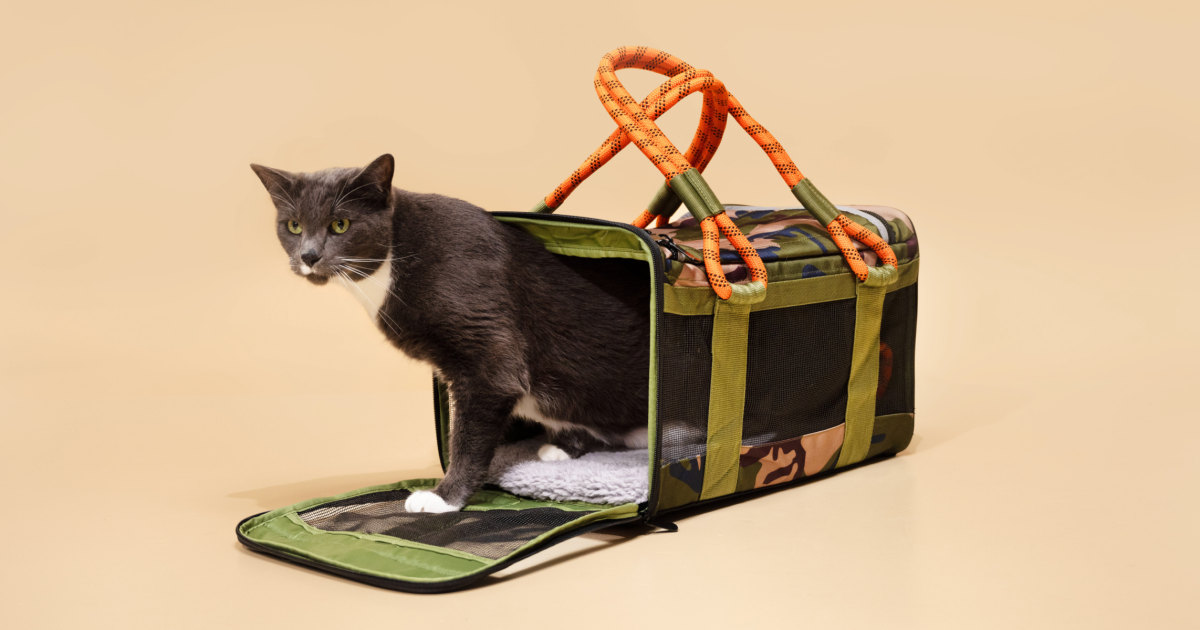
Soft cat carriers, typically made from durable fabrics, offer several advantages that may make them the preferred choice for some cat owners.
Lightweight and Portable
One of the main advantages of soft cat carriers is their lightweight and portable nature. These carriers are generally easier to carry, especially for longer periods or when traveling long distances. The lightweight design also makes them suitable for air travel, as they can easily fit underneath the seat in the cabin.
Comfortable and Cozy
Soft cat carriers often provide a more comfortable and cozy environment for cats. The soft padding and plush materials mimic the feeling of a snug bed or nesting spot, making it more appealing to cats. If your cat has specific comfort preferences or tends to get anxious during travel, a soft carrier can provide a soothing and comfortable space for them.
Easy to Store
Soft cat carriers are usually collapsible or foldable, making them easy to store when not in use. This is particularly beneficial if you have limited storage space or if you need to travel with an empty carrier and don’t want it to take up unnecessary space. The ability to easily fold the carrier also makes it more convenient to bring along on trips where you may need a carrier at your destination.
Flexible and Expandable
Soft cat carriers often come with flexible sides or expandable compartments, allowing for your cat to have more space to move around during travel. This flexibility allows your cat to be more comfortable, as they can stretch, change positions, or lie down in various ways. If your cat tends to get restless or prefers more freedom of movement during travel, a soft carrier may be the better option.
Disadvantages of Soft Cat Carriers
While soft cat carriers offer several advantages, they also have some disadvantages that may make them less suitable for certain cats and situations.
Less Secure and Durable
Soft cat carriers are generally less secure and durable compared to hard carriers. The fabric material may not withstand the scratching or clawing attempts of an anxious or frightened cat. Additionally, the flexible structure may not provide sufficient protection if the carrier is accidentally bumped or dropped. If your cat tends to be more active or has a tendency to try to escape, a soft carrier may not provide the necessary security.
Difficult to Clean
Cleaning soft cat carriers can be more challenging compared to hard carriers. The fabric materials may absorb odors, stains, or accidents, making it more difficult to thoroughly clean and maintain hygiene. Some soft carriers may have removable and washable linings, but others may require more manual cleaning and spot treatments. If cleanliness and hygiene are a top priority, a soft carrier may not be the most convenient option.
Limited Visibility
Soft cat carriers often have limited visibility compared to hard carriers with transparent windows or openings. While this may not be an issue for some cats, others may feel anxious or stressed without the ability to see their surroundings during travel. If your cat tends to get nervous or prefers a clear view of their environment, a soft carrier may not meet their visibility needs.
Prone to Absorbing Odors
The fabric materials used in soft cat carriers are more prone to absorbing odors compared to hard carriers. This can be particularly problematic if your cat tends to have accidents or if they are prone to motion sickness during travel. The absorbed odors can be difficult to eliminate completely, leading to an unpleasant smell that may linger even after cleaning. If maintaining a fresh and odor-free carrier is important to you, a soft carrier may not be the best choice.
Cat Carrier Preference Based on Age and Personality
The ideal cat carrier can vary depending on your cat’s age and personality traits. Consider the following guidelines when choosing a carrier based on your cat’s specific characteristics.
Kittens and Playful Cats
Kittens and playful cats generally have higher energy levels and may appreciate carriers that offer more space for movement. Soft carriers with expandable compartments or flexible sides can provide an enjoyable environment for them to explore and play while in transit. Additionally, carriers that allow for visual stimulation, such as transparent windows, can help keep them entertained and engaged during the journey.
Adult Cats and Seniors
Adult cats and seniors may benefit from carriers that prioritize comfort and stability. Soft carriers with padded interiors can provide the necessary comfort for older cats, minimizing joint strain during travel. Look for carriers with secure fastenings and reinforced corners to ensure stability and prevent accidental collapses. Additionally, carriers with adjustable covers or panels can cater to their privacy preferences and offer a calm and secure environment.
Anxious or Timid Cats
Anxious or timid cats require carriers that prioritize their sense of security and reduce anxiety. Soft carriers with cozy bedding materials can create a soothing environment for these cats, offering a sense of familiarity and comfort. Consider carriers that have privacy features, such as adjustable covers or panels, to help them feel more secure and protected. Additionally, carriers that provide adequate airflow and visibility can help alleviate anxiety during travel.
Adventurous and Curious Cats
Adventurous and curious cats may benefit from carriers that provide ample opportunities for visual stimulation and exploration. Consider carriers with transparent windows or mesh openings that allow them to observe their surroundings and satisfy their curiosity. Carriers with expandable compartments or adjustable panels can also offer more freedom of movement for these cats, keeping them engaged and entertained during travel.
Tips for Choosing the Right Cat Carrier
Choosing the right cat carrier can be a challenging task, but considering the following tips can help simplify the process:
Observe Your Cat’s Behavior
Take note of your cat’s preferences and behavior patterns. Observe whether your cat prefers enclosed spaces, soft materials, or specific temperature conditions. This will give you insight into what type of carrier your cat may be more comfortable with.
Consider the Travel Type
Think about the type of travel you’ll be undertaking with your cat. If you’ll be traveling by car, consider carriers that can be securely fastened with seat belts or that fit well within the car’s interior. If you’ll be flying, ensure the carrier meets the airline’s requirements for size and safety.
Test for Comfort
If possible, let your cat try out different carriers before making a final decision. Allow them to explore and spend time in each carrier to gauge their comfort level. Pay attention to their body language and behavior to determine which carrier they seem most at ease in.
Check for Safety Features
Ensure that the selected carrier has safety features such as secure latches, escape-proof fastenings, and sturdy construction. This will prevent any accidents or potential escapes during travel, giving you peace of mind.
Consult Veterinarian or Behaviorist
If you’re unsure about which type of carrier is best for your cat, consult with your veterinarian or a feline behaviorist. They can provide valuable insights and recommendations based on your cat’s specific needs and temperament.
Conclusion
When it comes to choosing a cat carrier, there is no definitive answer as to whether hard or soft carriers are preferred. Individual cats have unique preferences and needs, so it’s important to consider factors such as age, personality, comfort, safety, and travel requirements. By taking into account your cat’s specific characteristics and considering the advantages and disadvantages of different carrier types, you can make an informed choice that ensures your cat’s comfort, security, and well-being during travel.