If you’re a cat owner, you’ve probably experienced the anxiety that comes with trying to transport your feline friend from one place to another. Whether it’s a routine vet visit or a family vacation, the dilemma of choosing the right cat carrier can be daunting. But are cat carriers really beneficial for our beloved furry companions? In this article, we will explore the various factors that make cat carriers a great tool for keeping our cats safe and comfortable during their travels. Prepare to discover the advantages of these portable havens and how they can improve the well-being of our feline friends.

Benefits of Cat Carriers
Safety and Security
Using a cat carrier provides a safe and secure way to transport your feline friend. Whether you’re heading to the veterinarian or embarking on a long trip, a carrier ensures that your cat stays protected and confined. It minimizes the risk of escape or injury, giving you peace of mind knowing that your cat is secure.
Easy Transportation
Cat carriers make transportation a breeze. With a carrier, you can easily carry your cat from one place to another without worrying about them running off or getting lost. The sturdy handles or straps provide a comfortable grip, allowing you to transport your cat with ease. Whether you’re walking, driving, or taking public transportation, a cat carrier makes the journey hassle-free.
Reduced Anxiety
Cats are known for their sensitivity to changes in their environment. Traveling or going to the vet can be stressful for them, but a carrier can help alleviate their anxiety. Being inside a carrier provides cats with a sense of familiarity and security, helping to reduce their stress levels. It creates a safe and calming space for them, making the overall experience more pleasant for both you and your cat.
Types of Cat Carriers
Hard-Sided Carriers
Hard-sided carriers are sturdy and durable, providing excellent protection for your cat. They are typically made of tough materials such as plastic or metal, ensuring that your cat remains safe during travel. These carriers often have secure latches and strong handles, making them easy to carry. Hard-sided carriers are suitable for cats who may try to claw or scratch their way out of a carrier.
Soft-Sided Carriers
Soft-sided carriers are lightweight and easy to transport. They are often made of materials like nylon or canvas, offering a comfortable and cozy environment for your cat. Soft-sided carriers usually have mesh windows for ventilation and visibility. These carriers are collapsible, making them convenient for storage when not in use. They are ideal for cats who are more relaxed and less likely to try and escape.
Backpack Carriers
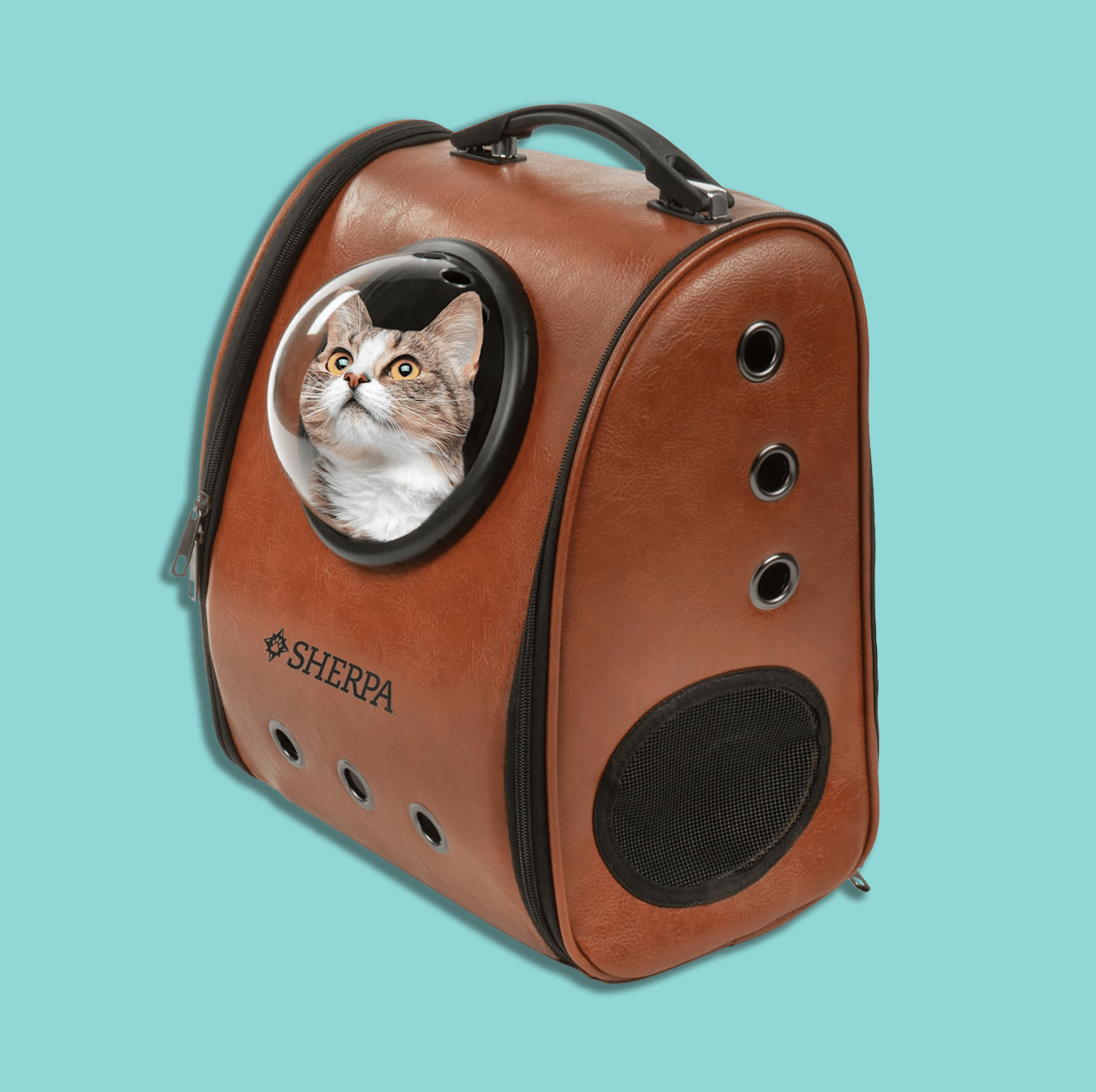
Backpack carriers are a hands-free option for transporting your cat. They allow you to carry your cat on your back, leaving your hands free to do other things. Backpack carriers often have mesh windows for ventilation and adjustable straps for a comfortable fit. They are perfect for adventurers or those who want to take their cat on outdoor excursions.
Shoulder Carriers
Shoulder carriers are designed to be carried on your shoulder, similar to a tote bag. They offer a convenient and stylish way to transport your cat. Shoulder carriers usually have comfortable padding and secure closures to ensure your cat’s safety. They are suitable for short trips or for cats who enjoy being close to their owners.
Stroller Carriers
Stroller carriers combine the convenience of a stroller with the security of a carrier. They have an enclosed compartment for your cat, providing a safe and comfortable space for them. Stroller carriers often have additional storage compartments for carrying essential items such as food, water, and toys. They are perfect for taking your cat on leisurely walks or outings.

Considerations When Choosing a Cat Carrier
Size
Choosing the right size carrier is crucial for your cat’s comfort and safety. The carrier should be large enough for your cat to stand up, turn around, and lie down comfortably. It shouldn’t be too big either, as a carrier that’s too spacious may cause your cat to feel insecure. Take into account your cat’s size and weight when selecting a carrier to ensure the perfect fit.
Material
The material of the carrier plays a significant role in its durability and comfort. Hard-sided carriers are often made of sturdy plastic or metal, providing excellent protection. Soft-sided carriers are typically made of nylon or canvas, offering a lightweight and cozy option. Consider your cat’s personality and how they may react to the materials when making your choice.
Ventilation
Proper ventilation is essential to ensure your cat’s comfort during travel. Look for carriers with mesh windows or ventilation panels to allow for proper airflow. Good ventilation helps prevent your cat from becoming overheated and reduces anxiety. Ensure that the carrier provides adequate ventilation from multiple angles for optimal airflow.
Ease of Cleaning
Accidents and spills can happen, so it’s important to choose a carrier that is easy to clean. Look for carriers with removable and washable bedding or liners. Some carriers may have a waterproof base or included pads for easy cleanup. Being able to clean the carrier thoroughly ensures that your cat always has a clean and hygienic environment.
Comfort Features
Consider carriers with added comfort features to make your cat’s experience even better. Look for carriers with padded interiors or removable cozy beds for extra comfort. Some carriers have adjustable straps or handles, allowing you to customize the fit for your comfort as well. Comfort features can help reduce stress and make travel more enjoyable for your cat.
Security Features
Ensuring the security of your cat is paramount. Look for carriers with secure latches or locks to prevent your cat from escaping. Some carriers may have additional safety features, such as seat belt loops or straps, to secure the carrier during car travel. Choosing a carrier with strong and reliable security features gives you peace of mind knowing that your cat is safe and secure.
Training Your Cat to Use a Carrier
Start Early
It’s essential to start training your cat to use a carrier as early as possible. This helps them become familiar with the carrier and reduces any fear or anxiety associated with it. Begin by leaving the carrier open in a familiar area of your home. Allow your cat to explore the carrier at their own pace, rewarding them with treats or praise for positive interactions.
Positive Reinforcement
Positive reinforcement is key to training your cat to use a carrier. Associate the carrier with positive experiences by offering treats, praise, or playtime whenever your cat enters or spends time in the carrier voluntarily. Use treats or toys as rewards during training sessions, gradually increasing the duration your cat spends in the carrier.
Gradual Introduction
Introduce your cat to the carrier gradually to minimize stress. Start by placing treats or toys inside the carrier to encourage your cat to enter willingly. Once your cat is comfortable entering the carrier, gradually close the door for short periods, gradually increasing the duration over time. This helps your cat acclimate to being confined and reduces anxiety.
Familiarization Techniques
Use familiar scents or toys inside the carrier to make it more inviting for your cat. Place a blanket or bedding that carries your cat’s scent inside the carrier to create a comforting and familiar environment. Familiarization techniques will help your cat feel more at ease and increase their willingness to enter and spend time in the carrier.

Using Cat Carriers for Vet Visits
Preventing Escape
One of the main reasons for using a cat carrier during vet visits is to prevent escape. Veterinary clinics can be unfamiliar and stressful environments for cats, and the risk of escape is high. A secure carrier ensures that your cat stays safely contained, reducing the risk of them bolting out of fear or anxiety.
Minimizing Stress
Visiting the vet can be a stressful experience for both you and your cat. A cat carrier provides a secure and familiar space for your cat, minimizing their stress levels. The confinement and familiarity of the carrier can make your cat feel more secure and can help them feel calmer during the vet visit.
Handling Techniques
Using a carrier allows veterinarians and technicians to handle your cat safely and efficiently. The carrier provides a controlled and secure environment for evaluating your cat’s health. It also prevents your cat from scratching, biting, or becoming aggressive during examinations or treatments.
Preparing the Carrier for the Vet Visit
Make the carrier a comfortable and inviting space for your cat before the vet visit. Place familiar bedding or a blanket inside the carrier, along with your cat’s favorite toys or treats. This creates a positive association with the carrier and can help reduce anxiety during the trip to the vet. Covering the carrier with a towel or blanket can provide further security and privacy for your cat.
Using Cat Carriers for Travel
Air Travel Considerations
If you plan to travel by air with your cat, it’s important to choose a carrier that meets airline requirements. Airlines usually have specific guidelines regarding carrier size, materials, and ventilation. Familiarize yourself with these regulations and ensure that your chosen carrier is compliant. It’s also advisable to book your flight well in advance, as some airlines have limited space for pets in the cabin.
Car Travel Considerations
When traveling by car, secure the carrier properly to ensure your cat’s safety. Use a seatbelt or secure the carrier in the backseat or cargo area of your vehicle. Avoid placing the carrier in the front seat, as airbags can be dangerous for your cat. Additionally, never leave your cat unattended in a vehicle, as temperatures can quickly become hazardous.
Packing Essential Items
When traveling with your cat, pack essential items to ensure their comfort and well-being. Bring along your cat’s regular food and water, as sudden changes in diet can cause digestive issues. Pack any necessary medications, litter, and familiar bedding to provide a sense of familiarity. It’s also a good idea to bring along an extra leash, collar, and identification tags in case of emergencies.
Providing Comfort During the Journey
Make your cat’s journey as comfortable as possible by providing them with familiar objects and creating a calm environment. Place their favorite toys or blanket inside the carrier to provide comfort and familiarity. Ensure that the carrier is well-ventilated and at a comfortable temperature. Introduce calming scents, such as lavender, to help relax your cat during the journey.
Alternatives to Cat Carriers
Harness and Leash
In some situations, using a harness and leash may be a suitable alternative to a cat carrier. If your cat is comfortable walking on a leash, a harness can provide a safe and secure way to transport them. However, it’s important to note that a harness and leash may not be as secure as a carrier and may not be suitable for all cats, especially those who are easily startled or prone to escaping.
Car Safety Harnesses
Car safety harnesses are specially designed to secure your cat during car travel. These harnesses attach to the seatbelt in your car, keeping your cat in place and preventing injury in the event of sudden stops or accidents. Car safety harnesses are a practical option for cats who are calm and well-behaved during car rides.
Large Crates or Pens
Large crates or pens can provide a more spacious alternative to traditional cat carriers. These enclosures offer room for your cat to move around comfortably during long journeys or extended stays. However, they are less portable and may not be suitable for short trips or cats who are easily stressed.
Common Mistakes to Avoid
Choosing the Wrong Size
Selecting a carrier that is too small or too large can cause discomfort and stress for your cat. Ensure that the carrier is the appropriate size for your cat, allowing them to stand up, turn around, and lie down comfortably.
Overloading the Carrier
Avoid overloading the carrier with excess items or belongings. Too much weight can strain the carrier’s handles or straps and may cause discomfort or injury to your cat. Only pack essential items to keep the carrier safe and comfortable.
Neglecting Comfort
Creating a comfortable environment inside the carrier is crucial for your cat’s well-being. Provide soft bedding, familiar scents, and a cozy space for your cat to relax during travel. Neglecting comfort can contribute to anxiety and stress for your cat.
Not Securing the Carrier Properly
Always ensure that the carrier is properly secured during travel. Whether in a car or on an airplane, secure the carrier using seatbelts, straps, or other restraints to prevent movement and potential injury. Neglecting to secure the carrier can put your cat at risk.
Tips for Keeping Cats Calm in Carriers
Familiar Scents
To create a calming environment, place familiar scents inside the carrier. Use bedding or blankets with your cat’s scent on them to provide comfort and familiarity during travel. The familiar scents can help ease anxiety and reduce stress.
Soft Bedding
Providing soft bedding inside the carrier adds an extra layer of comfort for your cat. Choose bedding that your cat enjoys and finds cozy, such as a plush blanket or a cushion. Soft bedding not only provides comfort but also helps absorb any accidents or spills during travel.
Covering the Carrier
Covering the carrier with a towel or blanket can give your cat a sense of security and privacy. This can help reduce stress and prevent overstimulation during travel. A covered carrier creates a cozy and calm space for your cat to relax in.
Frequent Potty Breaks
If you’re traveling for an extended period, make sure to give your cat frequent potty breaks. Set up a small litter box inside the car or provide opportunities for your cat to use a litter box at rest stops. Ensuring that your cat has regular access to a clean litter box helps prevent accidents and discomfort during travel.
Conclusion
Cat carriers offer many benefits when it comes to the safety, security, and comfort of your feline companion. They make transportation easy and stress-free while providing a secure and familiar space for your cat. By choosing the right type of carrier, considering important factors such as size, material, ventilation, and security features, you can ensure a positive experience for both you and your cat during vet visits and travel. Remember to properly train your cat to use a carrier, and consider alternatives if needed. With the right preparation, your cat can enjoy the benefits and comfort of a cat carrier while on the go.